
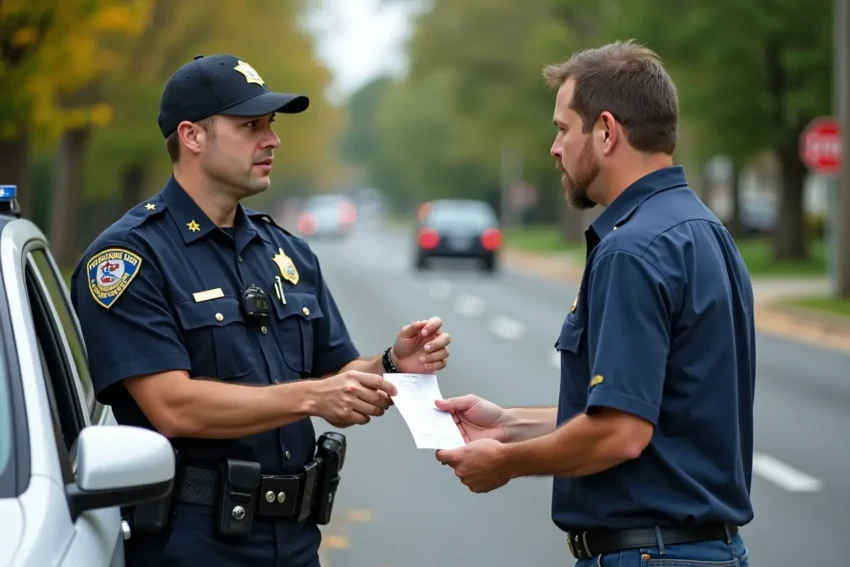
Most drivers don’t set out to break the law. In fact, many traffic tickets are issued not because someone was driving recklessly, but because they made a simple mistake, misunderstood a road sign, or didn’t realize a particular rule applied in a specific situation.
Unfortunately, even minor traffic violations can lead to fines, points on your driving record, increased insurance premiums, and, in some cases, license suspension. Understanding the most common tickets drivers accidentally earn can help you avoid costly mistakes and stay safer on the road.
1. Rolling Through Stop Signs
One of the most frequently issued traffic tickets involves drivers who fail to come to a complete stop at a stop sign.
Many motorists slow down significantly, check for traffic, and continue through the intersection. While this may seem harmless, the law typically requires a complete stop before proceeding.
Police officers often refer to this as a “rolling stop” or “California stop.” Even if the intersection appears empty, failing to fully stop can result in a citation.
How to Avoid It
When approaching a stop sign, bring your vehicle to a complete stop behind the stop line or before entering the crosswalk. Pause briefly before moving forward.
2. Speeding in Construction Zones
Construction zones often catch drivers off guard. Temporary speed limits, shifting traffic patterns, and additional signage can make these areas confusing.
Many drivers continue at their normal speed without noticing that the limit has been reduced. In many states, speeding fines in work zones are significantly higher than standard speeding tickets.
How to Avoid It
Pay close attention to temporary signs and electronic message boards. Slow down as soon as you enter a marked construction area, even if workers are not immediately visible.
3. Failure to Yield
Failure-to-yield violations occur more often than many people realize.
These tickets are commonly issued at:
- Four-way stops
- Roundabouts
- Highway merge lanes
- Pedestrian crossings
- Left-turn intersections.
Drivers sometimes assume they have the right of way when they do not, particularly in unfamiliar traffic situations.
How to Avoid It
When in doubt, slow down and assess the situation carefully. Understanding right-of-way rules can prevent both tickets and accidents.
4. Improper Lane Changes
Modern roads are busy, and changing lanes often feels routine. However, many drivers fail to signal, check blind spots, or allow enough space before changing lanes.
Improper lane changes are a common cause of collisions and are frequently cited by law enforcement officers.
How to Avoid It
Always signal well before changing lanes, check mirrors and blind spots, and ensure there is enough space to move safely.
5. Using a Phone While Driving
Many drivers know texting while driving is dangerous, yet phone-related violations continue to rise.
Some drivers assume a quick glance at a text message or navigation app is harmless. However, even a few seconds of distraction can dramatically increase crash risk.
Many jurisdictions now have strict hands-free laws that prohibit holding a phone while driving.
How to Avoid It
Set navigation before you begin driving, use hands-free technology when necessary, and avoid interacting with your device while the vehicle is in motion.
6. School Zone Violations
School zones are designed to protect children, but they are also a common source of accidental tickets.
Drivers may miss flashing lights, fail to notice reduced speed limits, or misunderstand the hours during which school zone restrictions apply.
Because of the potential danger to children, penalties in school zones are often more severe.
How to Avoid It
Stay alert for school zone signs and flashing signals. If you’re unsure whether restrictions are active, err on the side of caution and reduce your speed.
7. Expired Registration or License Plates
Not every traffic ticket involves driving behavior. Administrative violations are surprisingly common.
Busy schedules can cause drivers to forget to renew registrations, update licenses, or complete required inspections. While these issues may seem minor, they can still result in citations and additional fees.
How to Avoid It
Set calendar reminders for registration and renewal deadlines and keep vehicle paperwork organized.
8. Following Too Closely
Tailgating is often associated with aggressive driving, but many drivers accidentally follow too closely during heavy traffic or congested commutes.
Insufficient following distance reduces reaction time and significantly increases the likelihood of rear-end collisions.
How to Avoid It
Maintain a safe following distance using the three-second rule, increasing that distance during bad weather or heavy traffic conditions.
9. Failure to Signal
Turn signals are one of the simplest safety features on a vehicle, yet many drivers forget to use them.
A failure-to-signal ticket can be issued for:
- Turning at intersections
- Changing lanes
- Pulling away from the curb
- Entering or exiting traffic.
Law enforcement officers often view signaling violations as indicators of inattentive driving.
How to Avoid It
Make signaling a habit, even when roads appear empty. Consistent use helps other road users anticipate your actions and improves overall safety.
10. Improper Turns
Drivers frequently receive tickets for making illegal turns without realizing they have violated a traffic rule.
Common examples include:
- Turning from the wrong lane
- Making prohibited U-turns
- Ignoring “No Turn on Red” signs
- Crossing multiple lanes during a turn.
These mistakes are particularly common in busy urban environments where signs and lane markings can be easy to miss.
How to Avoid It
Pay close attention to road markings and posted signs, especially in unfamiliar areas.
What to Do If You Receive a Traffic Ticket
Receiving a traffic ticket does not automatically mean you should simply pay the fine and move on.
Depending on the circumstances, a citation may have long-term consequences for your driving record, insurance costs, or even your ability to drive legally. In some situations, drivers may have options to challenge the ticket or reduce its impact.
If you have received a citation and are unsure of your rights, speaking with an attorney who handles traffic violations can help you understand your options. Firms such as Driver Defense Team regularly assist motorists with a wide range of traffic-related offenses, helping drivers navigate the legal process and protect their records.